Showing posts with label neuromarketing. Show all posts
Wireless Physiology | Psychophysiological Measures of Emotion
Sympathetic nervous system (SNS) activity provides objective data for
assessing emotional reactions. Electrodermal Activity (EDA) is a popular SNS
measure. EDA is basically an index of the electrical activity of the skin; sweat
glands in the skin are filled with tiny amounts of sweat and sweat contains ions
that conduct current, which can be detected and recorded. Increases in EDA
reflect increases in sympathetic nervous SNS activity. EDA is also referred to
as skin conductance (SCR, SCL, etc.) or galvanic skin response
(GSR).
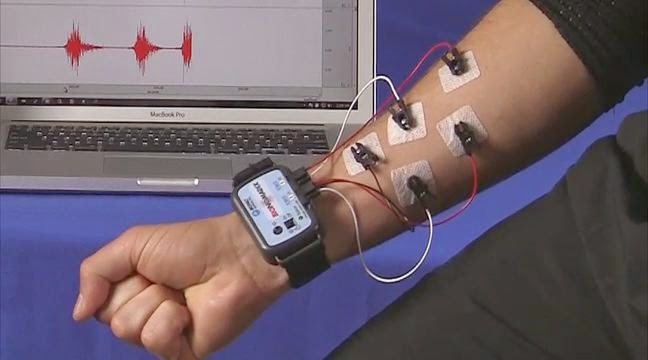 Significantly, EDA can provide time-stamped information for
moment-to-moment reaction measurement throughout a message/stimulus presentation
(such as an advertisement).Combining physiological data with self-reported data
helps provide a more complete, more accurate understanding of a participant’s
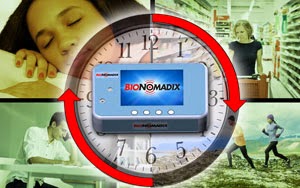
emotional reactions. Unobtrusive, wearable wireless physiology devices (such as BioNomadix
BN-PPGED from BIOPAC Systems, Inc.) can
provide continuous and precise measures of nervous system activity, such as EDA,
ECG, and RSP.
Significantly, EDA can provide time-stamped information for
moment-to-moment reaction measurement throughout a message/stimulus presentation
(such as an advertisement).Combining physiological data with self-reported data
helps provide a more complete, more accurate understanding of a participant’s
emotional reactions. Unobtrusive, wearable wireless physiology devices (such as BioNomadix
BN-PPGED from BIOPAC Systems, Inc.) can
provide continuous and precise measures of nervous system activity, such as EDA,
ECG, and RSP.
Read
a case study at “Hooked on a Feeling: Implicit Measurement of Emotion Improves Utility of Concept Testing.” Researchers conducted a message-testing study in which
they measured physiological
arousal (via EDA), emotional valence (via continuous rating dial data), and discrete
emotions (retrospectively reported emotional
reactions), among other measures. Researchers used a BIOPAC MP150 data
acquisition system and wireless EDA BioNomadix module to collect EDA while
participants viewed each ad, and a BIOPAC variable assessment transducer to
assess in-the-moment feelings of positivity or negativity. E-Prime was used to
allow for precise synchronization across stimuli presentation and data
collection.
Neuromarketing Solutions | Data Acquisition
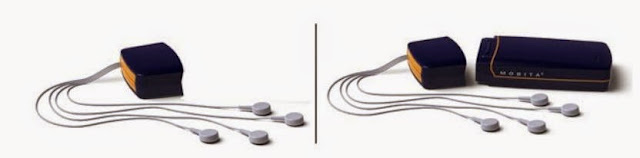
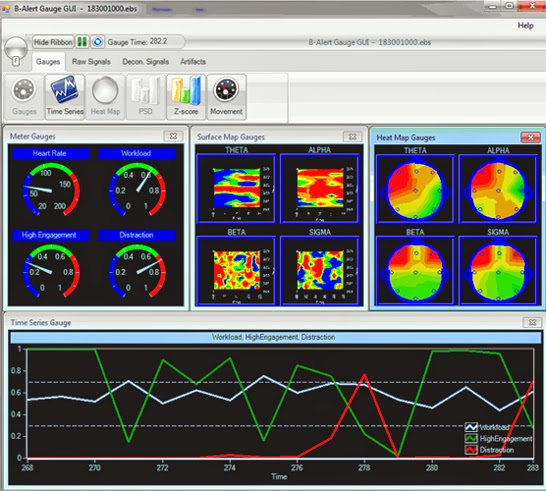
Neuromarketing solutions are available that allow you to examine physiological responses to products, environments, other stimuli or decision making tasks. Multiple physiological signals can be recorded and analyzed for Neuromarketing, including EEG. EEG analysis options allow for understanding of the subject's cognitive state for a variety of Neuromarketing tasks. Gauging level of engagement, workload and drowsiness while performing tasks or participating in consumer test situations can provide valuable insight into product development and marketing. Neuromarketing solutions should be as unobtrusive as possible, allowing for wireless EEG and other physiological signals to be recorded and analyzed from mobile subjects. Whether subjects are in a lab or real-world environment, users should have the ability to stream physiological data live or record and log up to 32-channels of high-quality biopotential data.
For some applications, long-term activity studies may be necessary. Solutions are available that allow users to monitor subjects in their home environment over multiple hours or days. For example, record ECG, EEG, Respiration, EMG, and GPS positioning data to look at overall activity levels and physiological responses to different Neuromarketing stimuli and daily activities that include product interactions.
Virtual Reality & Neuromarketing
Immersive
virtual reality environments can unlock physical boundaries and budget limits.
Applications
for VR protocols are varied and include Psychology, Ergonomics, Neuromarketing
& Neuroeconomics (Consumer Research), Biomechanics & Kinesiology,
Healthcare, Computer Modeling/Simulation, Education, and Training: hazard,
medical, etc.

Researchers
can immerse subjects in a VR world and record physiological data as the virtual
environment influences the subject. A feedback loop can be included for greater
control and automation of the VR world. This allows the world to change in real
time, based on the subject’s responses. Timing events are used for analysis of
the physiological data. Eye tracking can be added to the headmounted VR display
to track the subjects’ eyes as they view the immersive environment during the
experiment, and position tracking can also be included.
Wireless
transmitters, EEG caps, and eyetrackers have been used to capture data from
mobile subjects in actual environments, but virtual reality expands the research
potential by allowing participants to be immersed in variable, simulated
environments with an incredible degree of realism. For instance, neuromarketers
can allow subjects to smell and feel multiple products and move through
different display configurations, or psychologists can choose appropriate
environments to study phobias such as flying or public
speaking.
At the
first Neuromarketing World Forum
(2012, Amsterdam), the
challenge and potential of enhancing market research with neuromarketing tools
was discussed, and virtual reality immersive techniques were recognized as
valuable tools for measuring affective states while modifying product
presentation. The value of capturing
synchronized physiological data
(heart rate, HR, ECG, EDA), brain
response (EEG,
fMRI, fNIR), and behavior metrics
(eye tracking, position tracking) was also discussed.
Turnkey
VR/ Immersive systems from BIOPAC are easily combined with wireless physiology
data to synchronize VR events with physiological response data. Neuromarketers
and other researchers can record any combination of signals (ECG, EEG, EOG, EMG,
EGG, EDA, temperature, respiration, pulse, etc.) and include multimodal
stimulation with visual, auditory, olfactory, haptic, or electric stimulus.
Remote Monitoring options provide subjects with a greater degree of freedom and
allow them to move around within the virtual world.
Neuromarketing and Neuroeconomics | Data Acquisition

Physiological signals for macroeconomic or micromarketing analysis can be recorded almost anywhere, including: the lab, during fMRI, a workplace environment, virtual reality scenarios, in a subject's home, or mobile application. Wireless data systems allows participants to move and respond freely.
 A wide range of recording options can ensure quality data collection in a comfortable and unobtrusive manner to seamlessly capture the most important events in a neuromarketing and neuroeconomic study.
Examine responses to stimuli or decision making tasks in the brain with EEG or fNIR data. Analyze cognitive state, level of engagement, workload and drowsiness while subjects participate in a consumer test, perform a task, watch a presentation, etc.
Record a variety of biometrics to examine stress and arousal to specific stimuli, such as facial EMG, ECG/Heart Rate, skin conductance level (EDA/GSR), or respiration.
Combine eye tracking data with other physiological variables to provide context for the subject's emotional response to certain types of stimulation.

Synchronize with video to visually correlate subject’s behavior with the data...replay the video and see what the subject was doing at key points during neuromarketing study. Synchronize with GPS data to better understand a subject’s lifestyle. Create reports that classify specific and non-specific response events to specific stimuli results from automated scoring and analysis software that helps to measure, score, and output experiment results.
For more information and products surrounding this topic, follow through to BIOPAC.com.